





Image Grid 1





Pool Maintenance SWFL: Complete Year-Round Checklist for Fort Myers, Estero & Naples Homeowners
Owning a swimming pool in Southwest Florida is a luxury that comes with responsibility. The combination of intense UV exposure, high humidity, frequent afternoon thunderstorms, and warm temperatures creates a perfect breeding ground for algae and bacteria. Unlike other parts of the country where pools can be winterized, SWFL pools require consistent year-round attention. This comprehensive guide provides a practical, no-nonsense schedule specifically designed for local weather patterns, water chemistry challenges, and equipment demands.
Whether you’re searching for pool maintenance SWFL advice, pool care Fort Myers tips, estero pool service tips, or Naples pool maintenance best practices, this article delivers actionable monthly checklists, troubleshooting flowcharts, local algae solutions, and professional escalation triggers that go far beyond basic service pages.
Florida Pool Chemistry Basics: Understanding SWFL Water Conditions
Southwest Florida’s water chemistry is uniquely challenging. High temperatures accelerate chemical reactions, heavy rainfall dilutes sanitizer levels, and alkaline soil raises pH naturally. Understanding these fundamentals is the foundation of successful pool maintenance SWFL.
Key Chemical Parameters for SWFL Pools
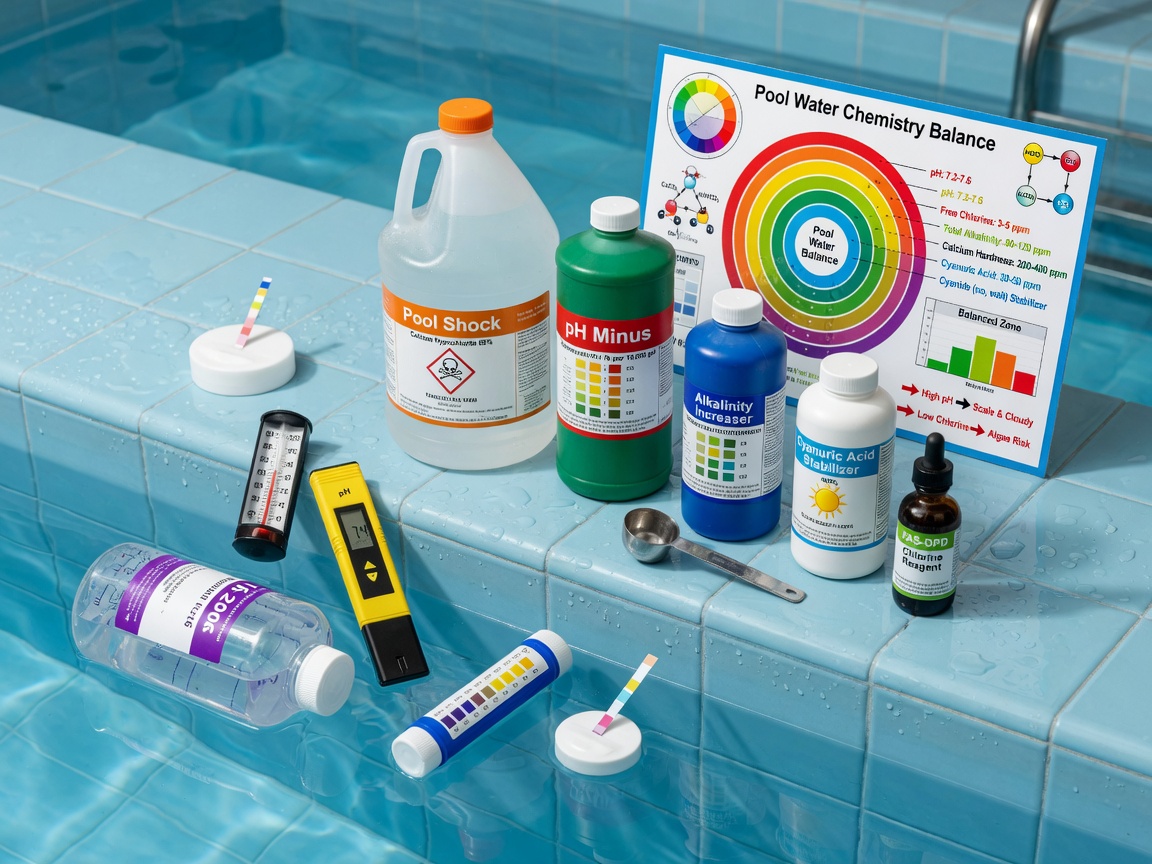
- pH: Ideal range 7.2–7.6. SWFL pools tend to drift upward due to alkaline fill water and heavy rain.
- Free Chlorine: 3–5 ppm (higher during summer months and after rain).
- Total Alkalinity: 80–120 ppm to buffer pH swings.
- Calcium Hardness: 250–350 ppm. SWFL tap water is often already high in calcium.
- Stabilizer (Cyanuric Acid): 30–50 ppm. Too much blocks chlorine effectiveness in our intense sunlight.
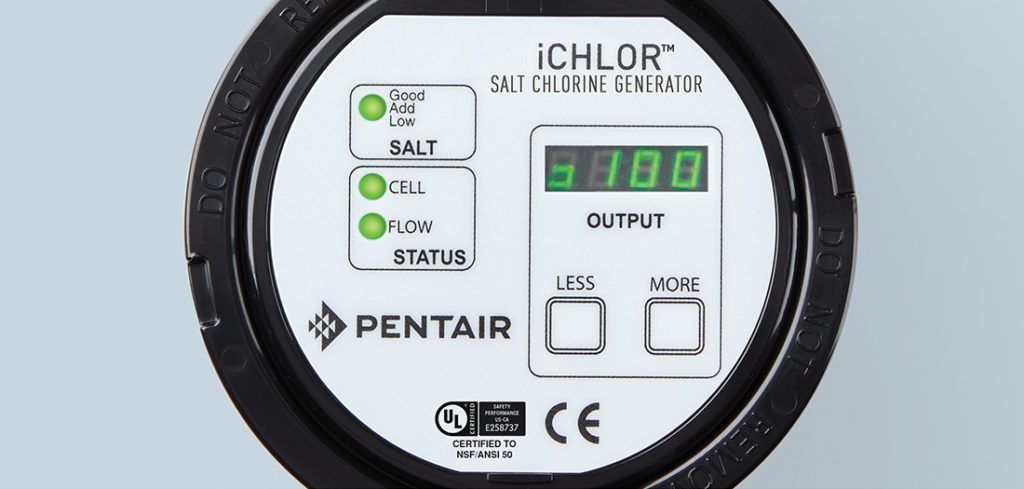
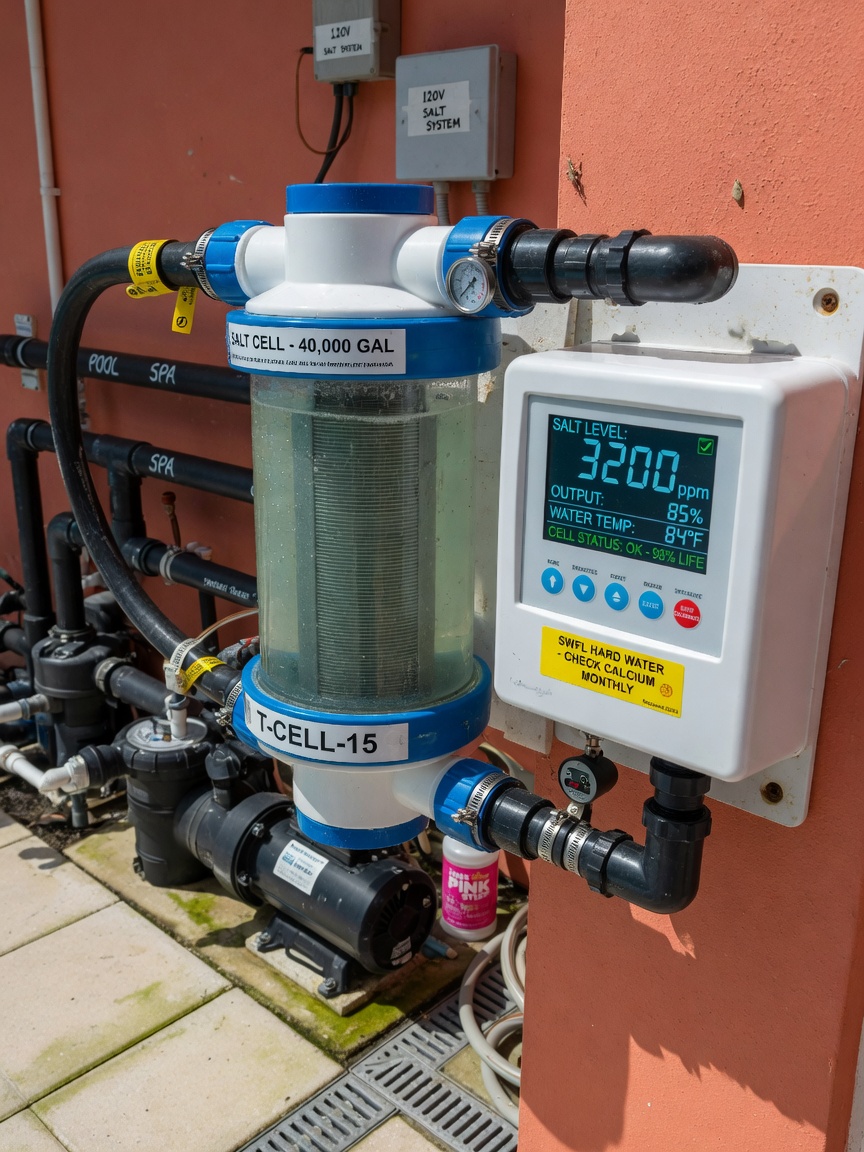
- Salt Levels (for saltwater systems): 2800–3600 ppm depending on manufacturer.
These numbers aren’t suggestions—they’re requirements for preventing equipment damage, cloudy water, and algae outbreaks common in Fort Myers, Estero, and Naples.
Weekly Homeowner Routine: Your 15-Minute Checklist
Consistent weekly maintenance prevents 80% of major pool problems. Here’s the exact routine every SWFL homeowner should follow.
Weekly Pool Maintenance SWFL Checklist
- Test water chemistry (use digital tester for accuracy)
- Brush walls and steps thoroughly
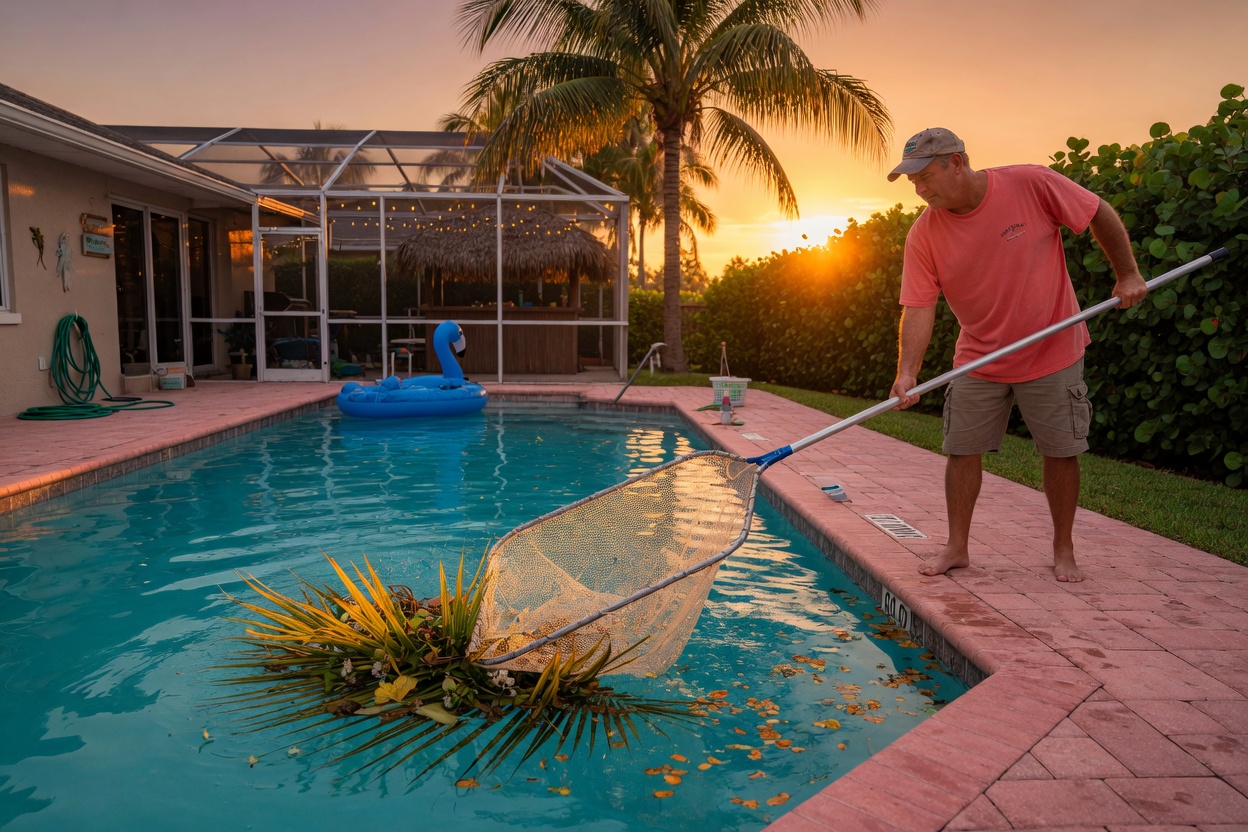
- Skim surface debris and empty skimmer baskets
- Clean filter baskets and check pressure
- Vacuum or run automatic cleaner
- Check and clean salt cell if applicable
- Inspect equipment for leaks or unusual noises
- Add chemicals as needed and run pump 8–12 hours daily
Seasonal Adjustments to Weekly Routine
May–October (Peak Season): Test twice weekly. Increase chlorine to 5–7 ppm after heavy rains. Run pump 10–12 hours daily.
November–April (Dry Season): Weekly testing is usually sufficient. Focus on calcium scaling and pH drift.
Monthly Pool Care Fort Myers Deep Maintenance Schedule
Beyond weekly tasks, these monthly actions address issues unique to Southwest Florida’s climate.
January – March: Dry Season Focus (Naples Pool Maintenance)
- Test and adjust calcium hardness (scaling is common during dry months)
- Clean filter media thoroughly (DE, cartridge, or sand)
- Inspect and clean pool tile and waterline
- Check pool heater functionality for cooler evenings
- Trim surrounding vegetation to reduce debris
April – June: Transition to Rainy Season (Estero Pool Service Tips)
- Lower stabilizer levels if above 50 ppm
- Install or inspect hurricane tie-downs for equipment
- Stock extra chlorine tabs and shock
- Deep clean salt cells with muriatic acid solution
- Test pool surface for early signs of scaling or etching
July – September: Peak Hurricane & Algae Season
- Test after every significant rainfall (chlorine drops dramatically)
- Shock weekly with cal-hypo instead of dichlor
- Monitor for mustard algae (common in SWFL)
- Keep extra stabilizer on hand but don’t over-use
- Clear debris from surrounding areas before storms
October – December: Recovery & Winter Prep
- Recover from hurricane damage if applicable
- Balance pH after fall rains
- Service pool heater before cooler months
- Winterize automation systems and timers
- Schedule professional inspection before holiday season
Hurricane Season Prep: Protecting Your SWFL Pool Investment
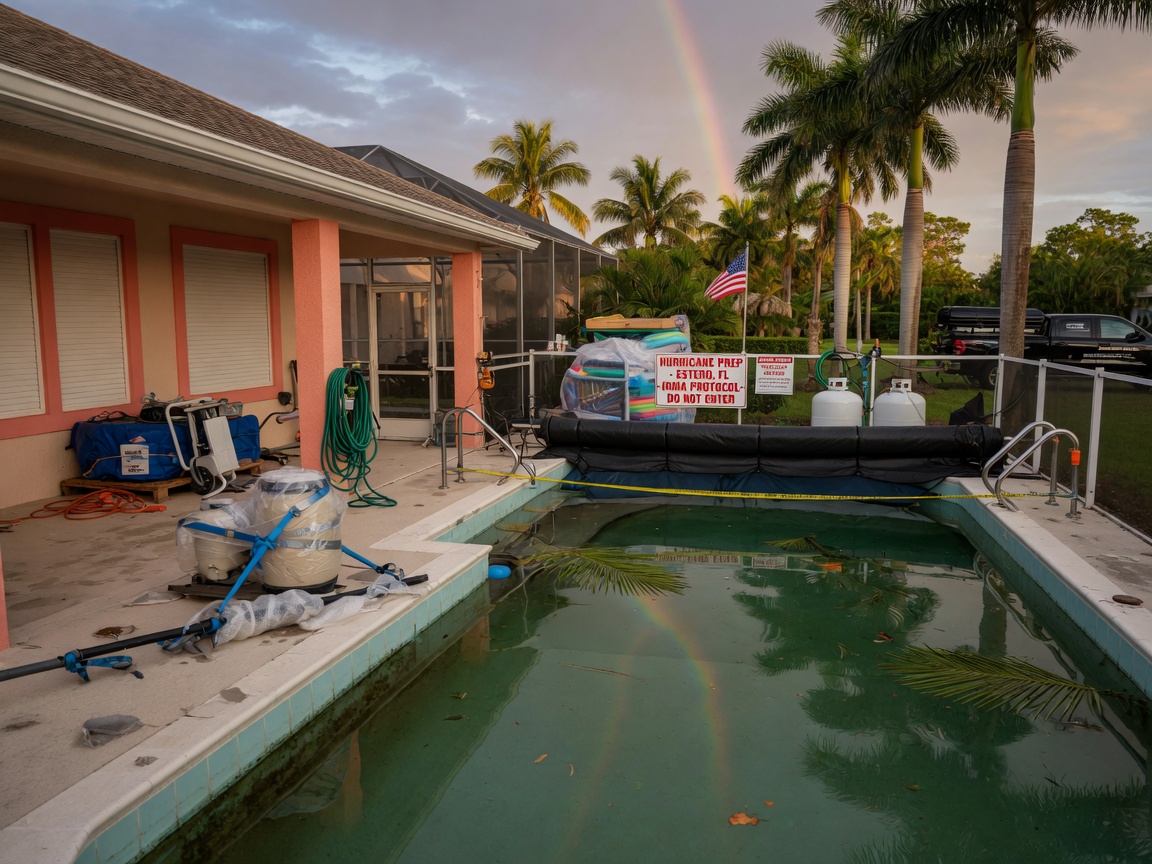
With an official hurricane season running June 1 through November 30, every pool owner in Fort Myers, Estero, and Naples must have a preparedness plan.
Pre-Hurricane Pool Maintenance SWFL Checklist
- Lower water level 6–12 inches below normal to accommodate rainfall
- Remove and store all loose pool equipment and furniture
- Shock pool heavily 48 hours before storm arrival
- Turn off and disconnect all electrical pool equipment
- Secure pool pump, filter, and salt system with hurricane straps
- Close and lock all valves to prevent backflow
- Have extra test kits, chemicals, and generator fuel ready
Post-storm, test water immediately. Expect extremely high pH and very low chlorine. Brush aggressively and super-shock the pool. Run the system continuously until water clears.
Local Algae Solutions for Southwest Florida
SWFL’s warm, humid climate creates three main algae types homeowners battle:
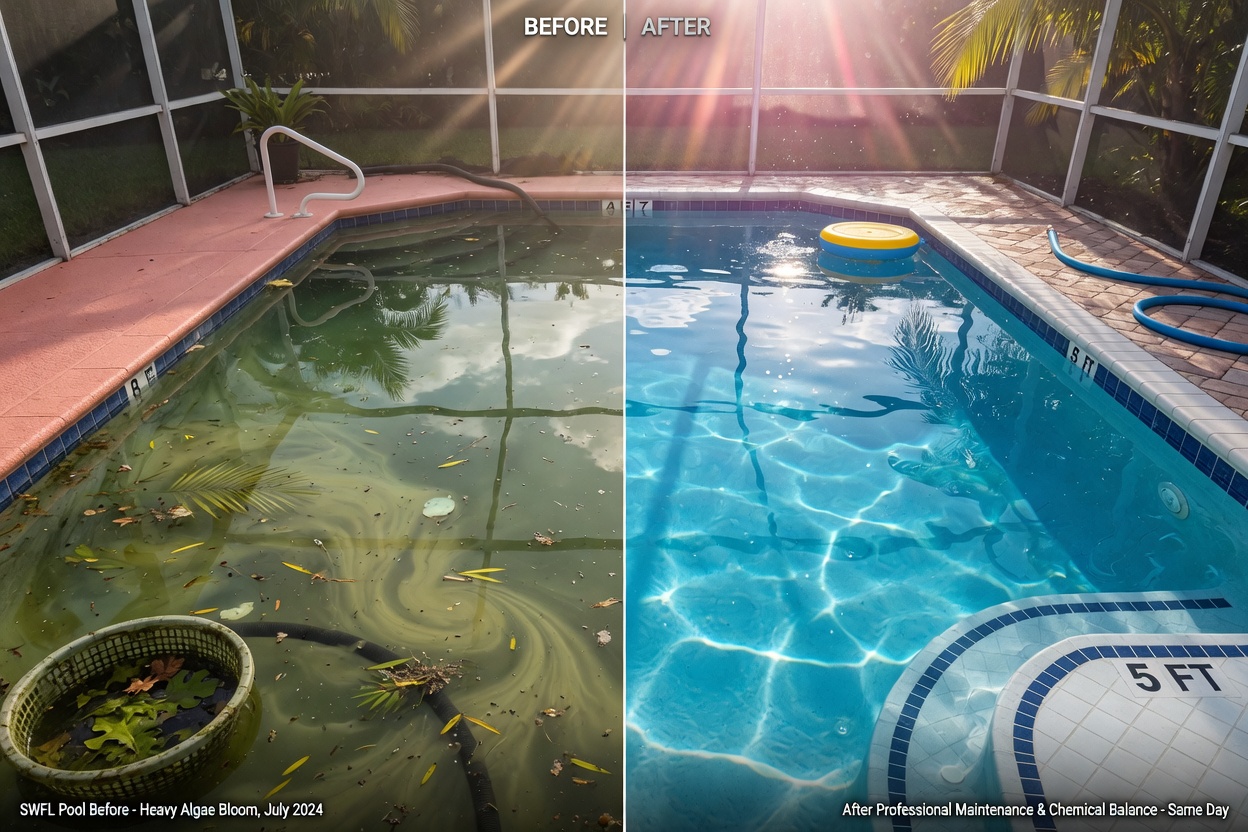
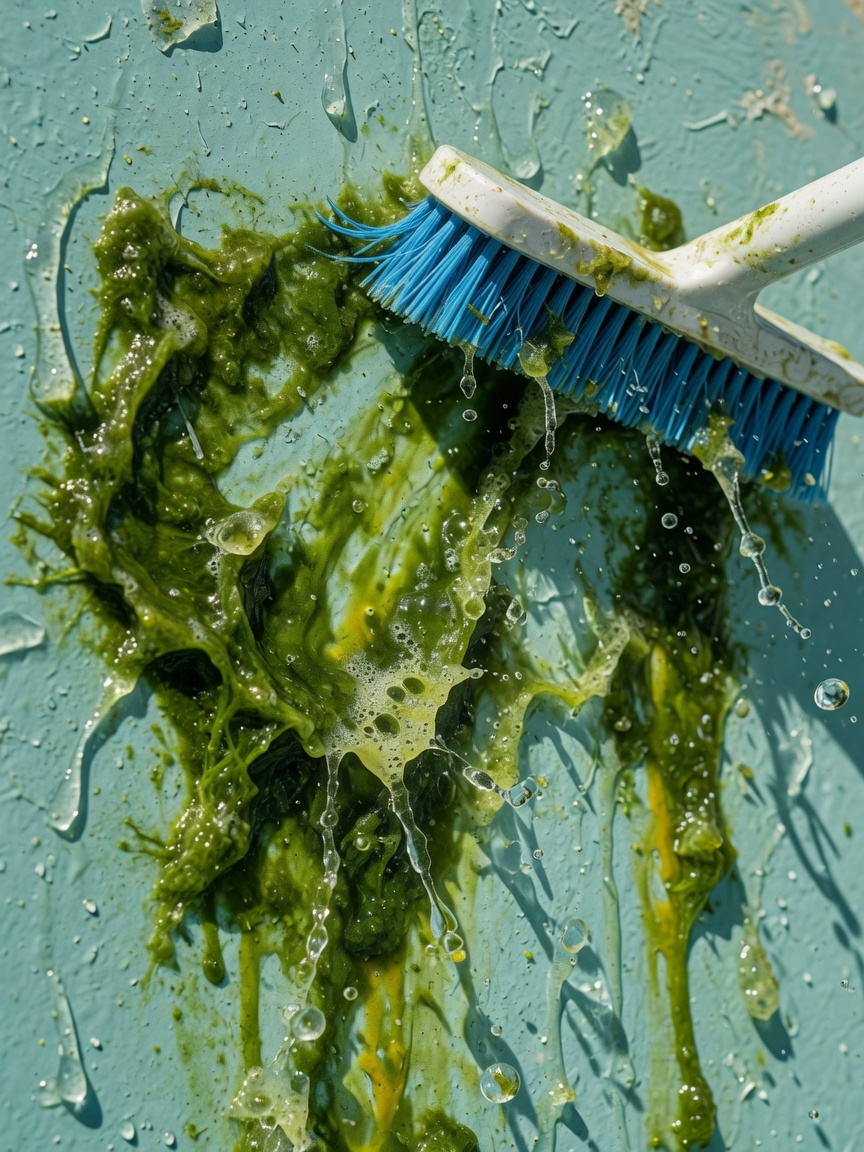
1. Green Algae The most common after heavy rains. Solution: Shock to 10+ ppm free chlorine, brush daily, run filter 24/7, and use algaecide as backup.
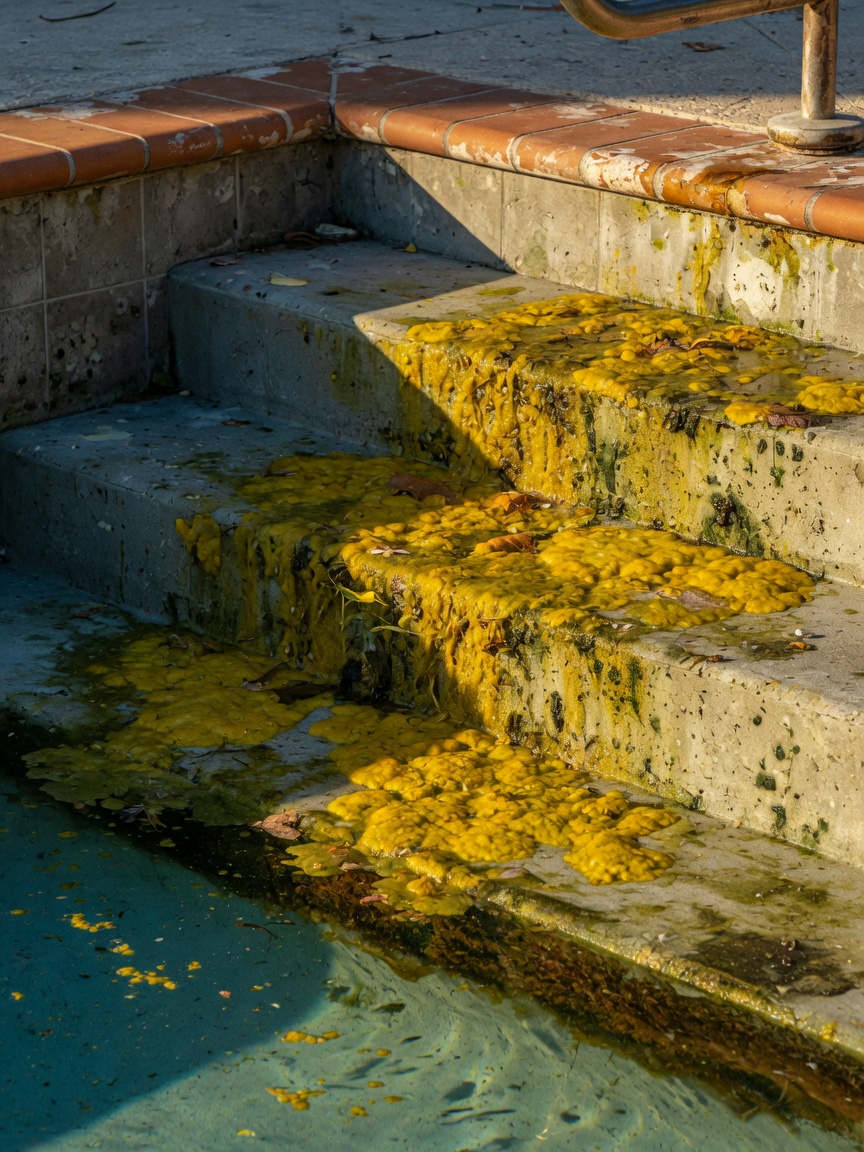
2. Mustard Algae (Yellow Algae) Particularly stubborn in Naples and Estero. Clings to walls and hides in crevices. Requires aggressive brushing, specialized algaecides, and sometimes a complete drain and acid wash.
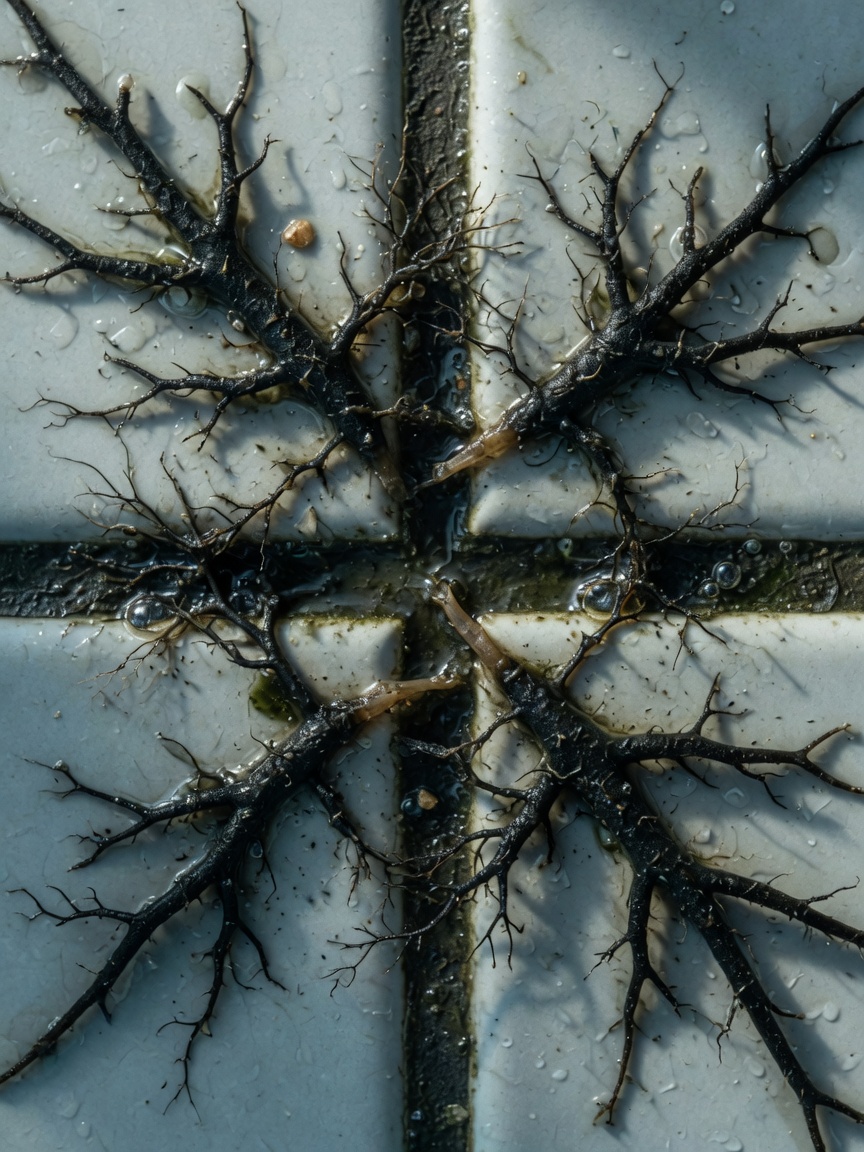
3. Black Algae Grows in porous surfaces and tile grout. Needs spot treatment with trichlor tablets in a sock placed directly on the spot, followed by thorough brushing and high chlorine levels.
Pro Tip: Prevention is always better than treatment. Maintain 4+ ppm free chlorine at all times during summer months.
Equipment Replacement Cycles: Planning Your SWFL Pool Budget
Understanding average lifespan of pool equipment in Southwest Florida’s harsh environment helps prevent emergency repairs.
Typical Equipment Lifespans in SWFL
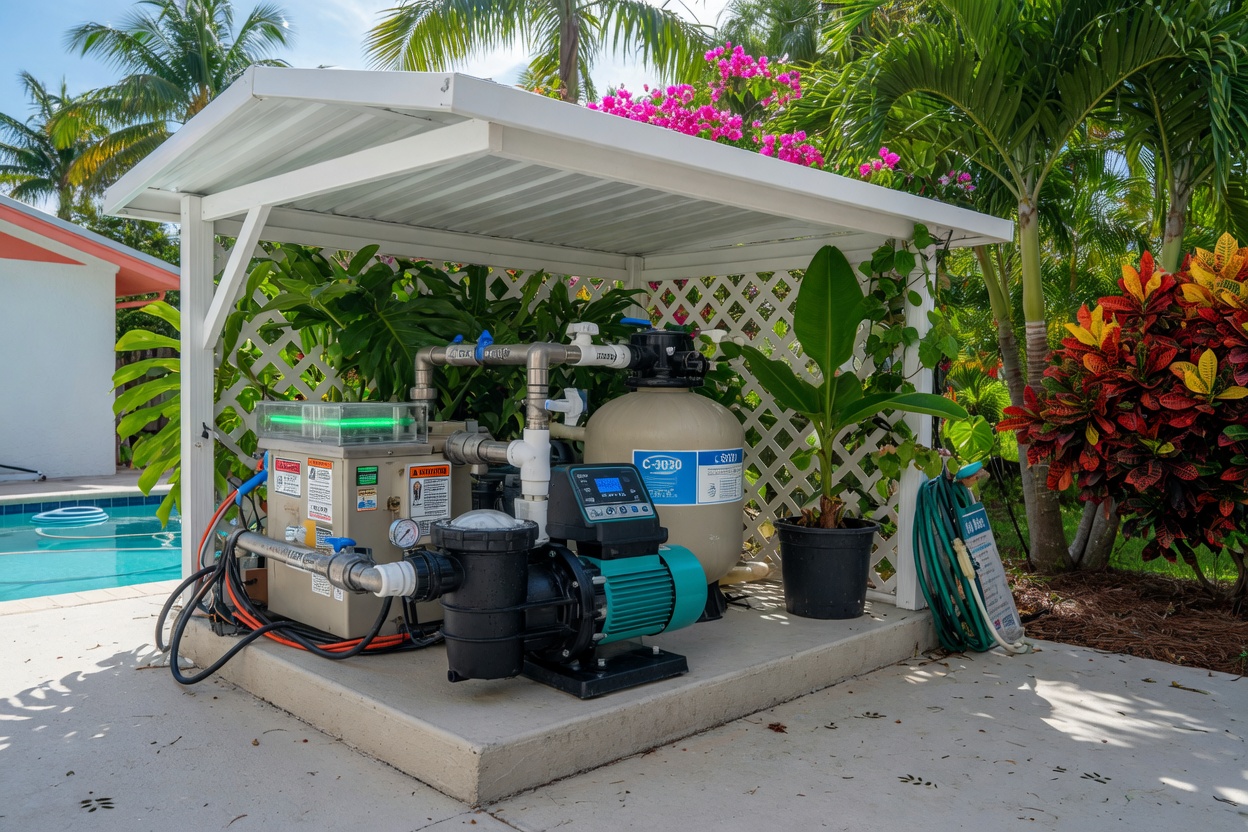
- Pool Pump: 5–7 years (variable speed pumps last longer)
- Salt Chlorine Generator Cell: 3–5 years
- Filter Cartridges: 2–3 years (clean every 3–6 months)
- Pool Heater: 7–10 years (heat pumps last longer than gas)
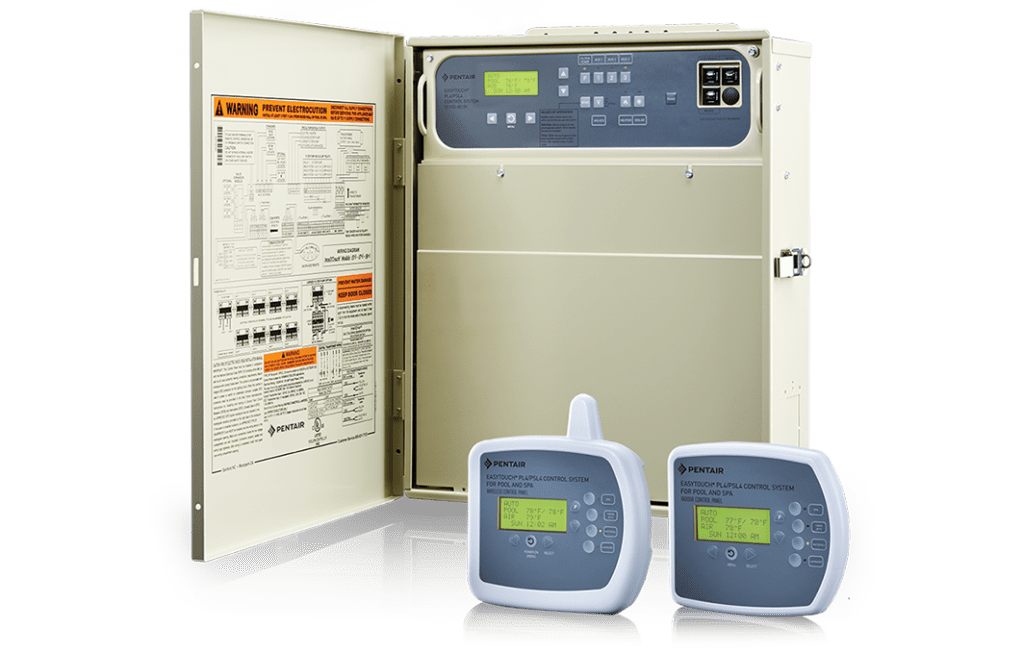
- Pool Automation System: 8–12 years
- LED Pool Lights: 8–10 years
- Main Drain Covers: Replace every 5 years for safety compliance
Troubleshooting Flowcharts: Diagnose Problems Fast
Green pool after rain? Cloudy water? No flow? Use these decision trees:
Cloudy Water Troubleshooting Flowchart
- Test chemistry —> Correct imbalances
- Check filter pressure —> Clean or backwash
- Is pump running long enough? —> Increase hours
- Still cloudy after 48 hours? —> Add clarifier or flocculant
Algae Outbreak Decision Tree
- Identify algae type by color and texture
- Brush aggressively
- Shock to appropriate level for algae type
- Run filter 24 hours and retest
- If unresolved after 72 hours —> Call professional
When to Call Professionals: Clear Escalation Triggers
While weekly maintenance can be handled by homeowners, certain situations require licensed pool professionals.
Call a Pool Service When:
- Chlorine or pH levels won’t stabilize after 72 hours of treatment
- You see black or mustard algae that brushing won’t remove
- Equipment is leaking, making unusual noises, or showing error codes
- Pool has been neglected for more than 3 weeks
- Water level drops more than ¼ inch per day (possible leak)
- You’re preparing for or recovering from a hurricane
- You need annual professional cleaning and equipment servicing
At Sebastian Home Pool, we provide comprehensive pool care Fort Myers, Estero pool service tips implementation, and Naples pool maintenance programs designed specifically for local conditions.
Advanced Pool Care Fort Myers: Automation and Efficiency
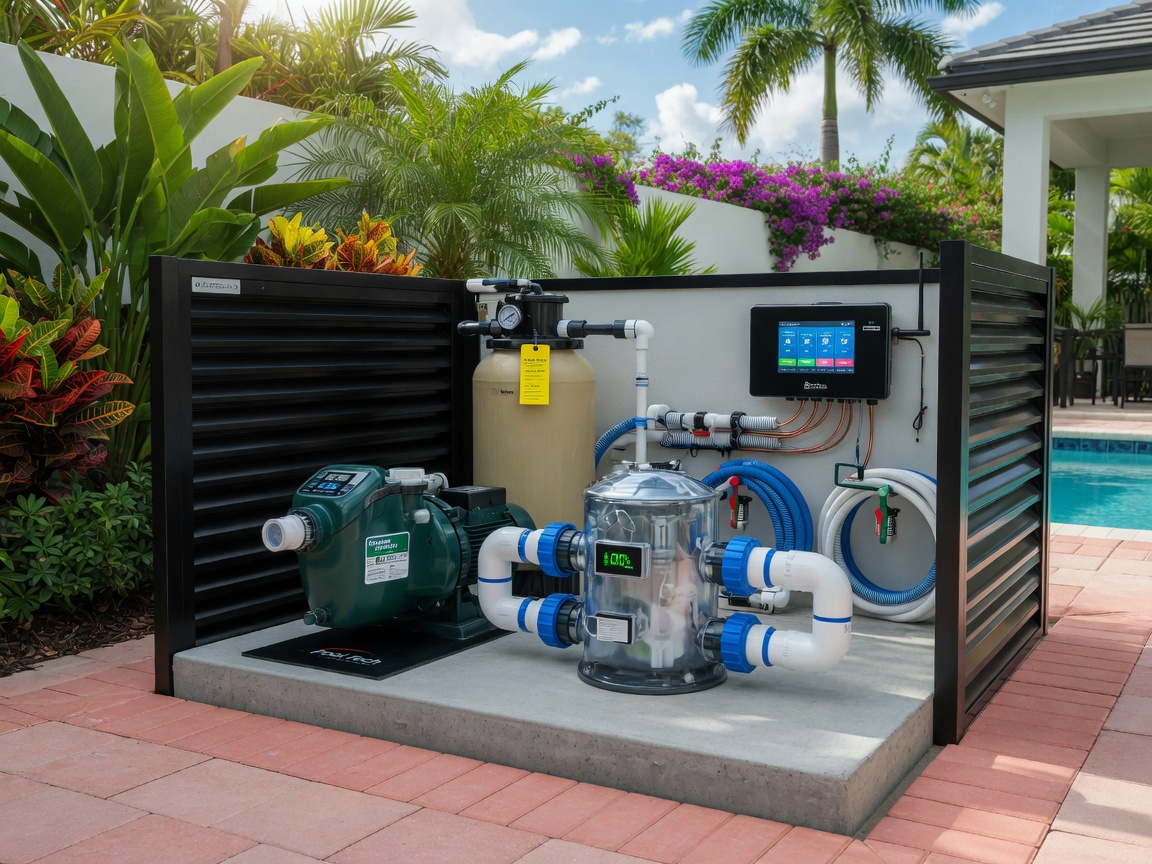
Modern pool technology has transformed maintenance. Consider investing in:
- Variable speed pumps that reduce energy costs by up to 70%
- Automated chemical controllers that monitor and dose 24/7
- Smart phone apps that alert you to problems before they escalate
- UV and ozone systems that reduce chemical dependency
Conclusion: Your Year-Round Commitment to Crystal Clear Water
Pool maintenance SWFL isn’t complicated when you have the right schedule and understand local conditions. By following this comprehensive year-round checklist, Southwest Florida homeowners can enjoy sparkling water, protected equipment, and fewer emergency service calls.
Remember: consistency beats intensity. Fifteen minutes per week following these protocols will save you thousands in repairs and chemicals while protecting your family’s health and your property investment.
For personalized guidance, professional service, or help implementing these pool maintenance SWFL strategies, contact the experts who understand Southwest Florida’s unique pool challenges.
Image Grid 2