






Paver Sealing SWFL: Best Practices for Intense Florida Sun Exposure
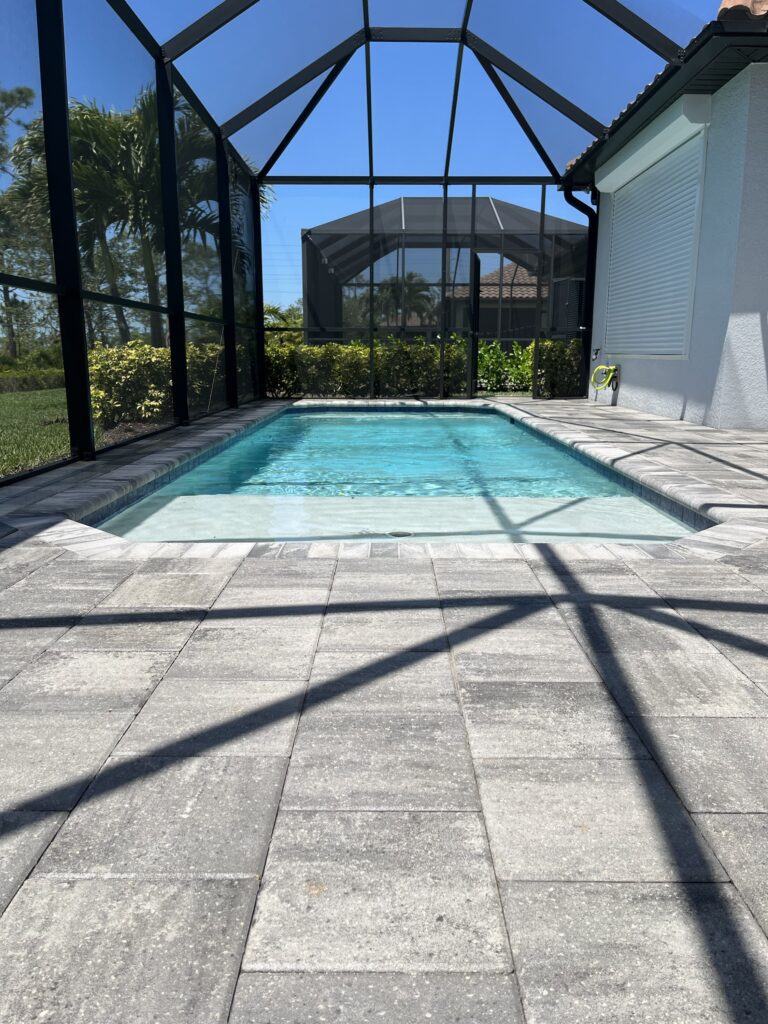
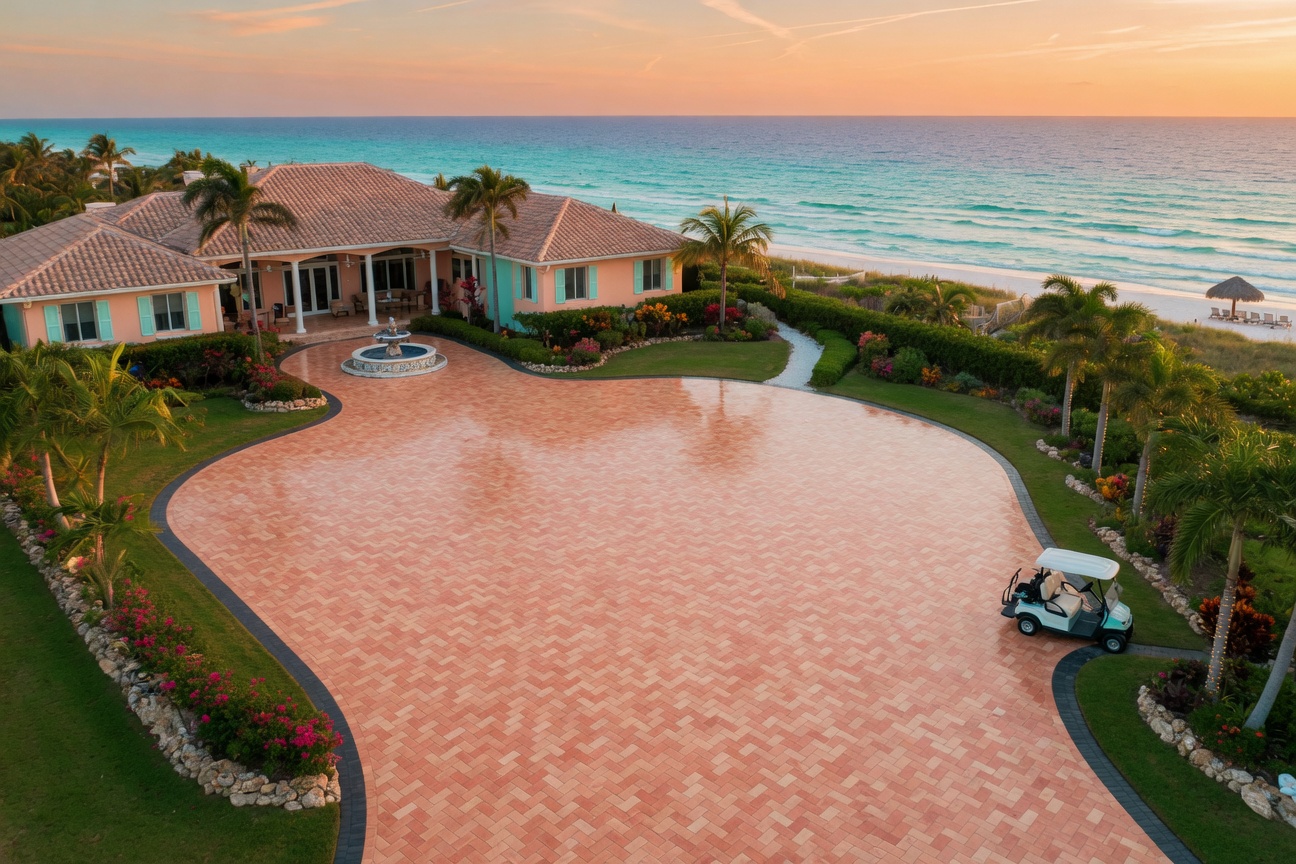
In Southwest Florida, your pavers face one of the most challenging environments in the United States. With relentless UV radiation, frequent heavy rains, high humidity, and extreme heat, unprotected pavers can deteriorate rapidly. Proper paver sealing in SWFL is not just about aesthetics—it’s essential protection that can dramatically extend the life of your investment.
Whether you have a pool deck in Naples, a driveway in Fort Myers, or a backyard patio in Bonita Springs, choosing the right sealer and following proven application methods makes all the difference. This guide provides data-driven insights tailored specifically to our unique climate.
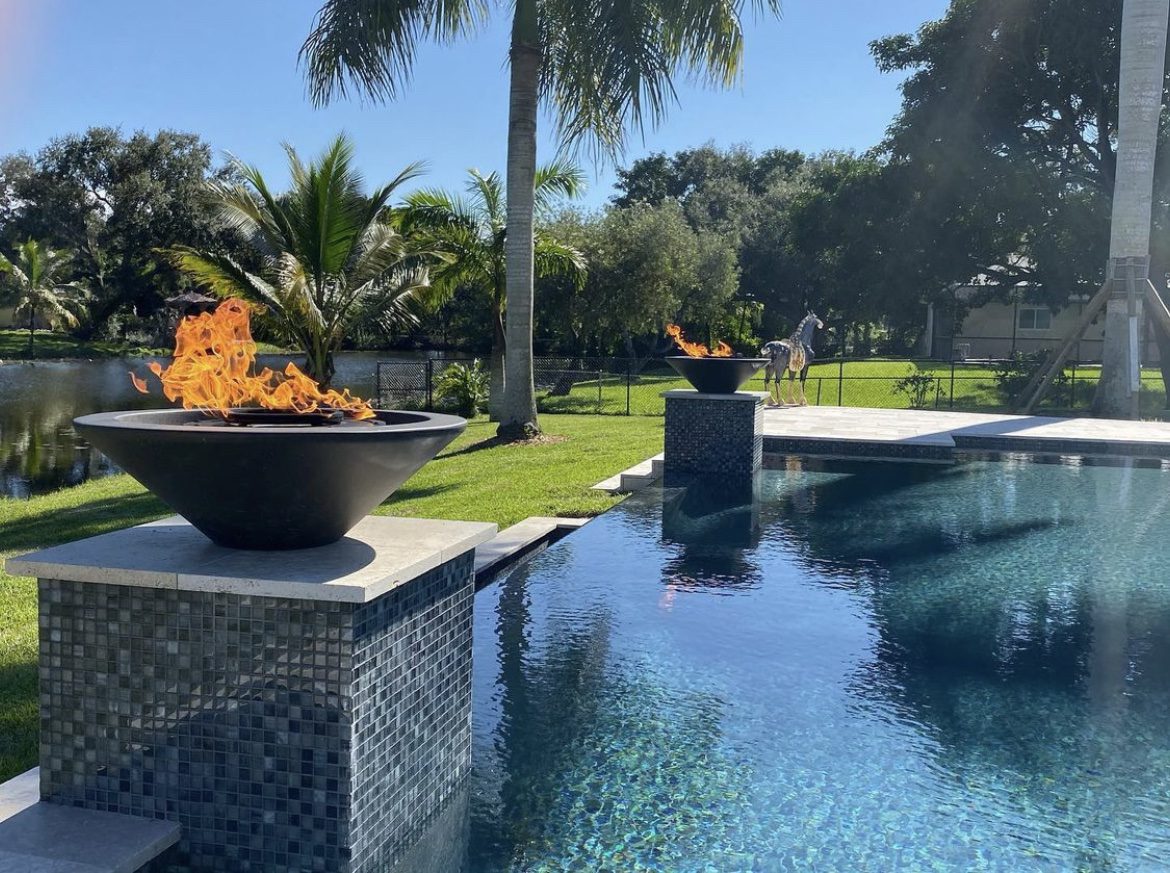
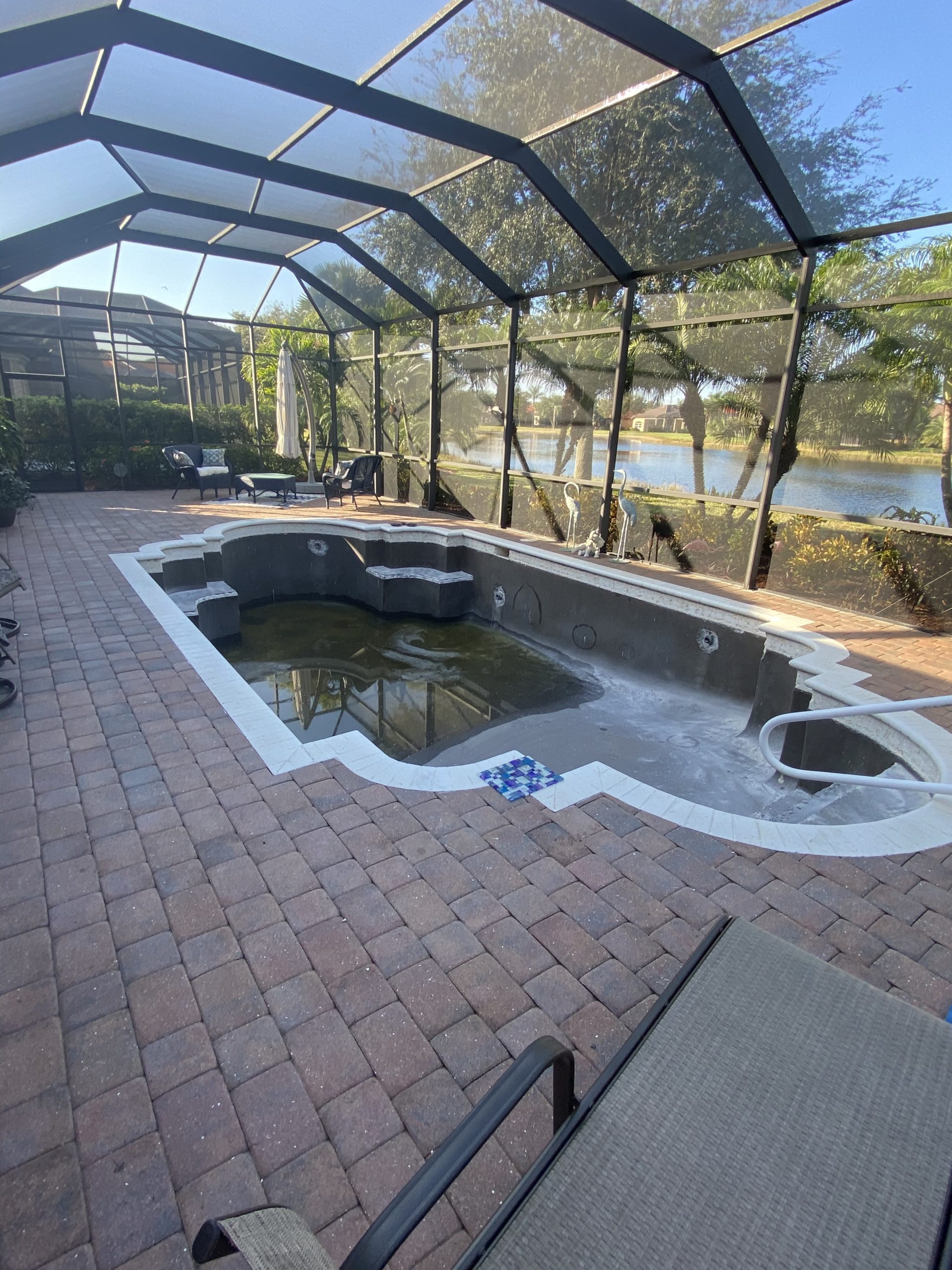
Image Grid 1



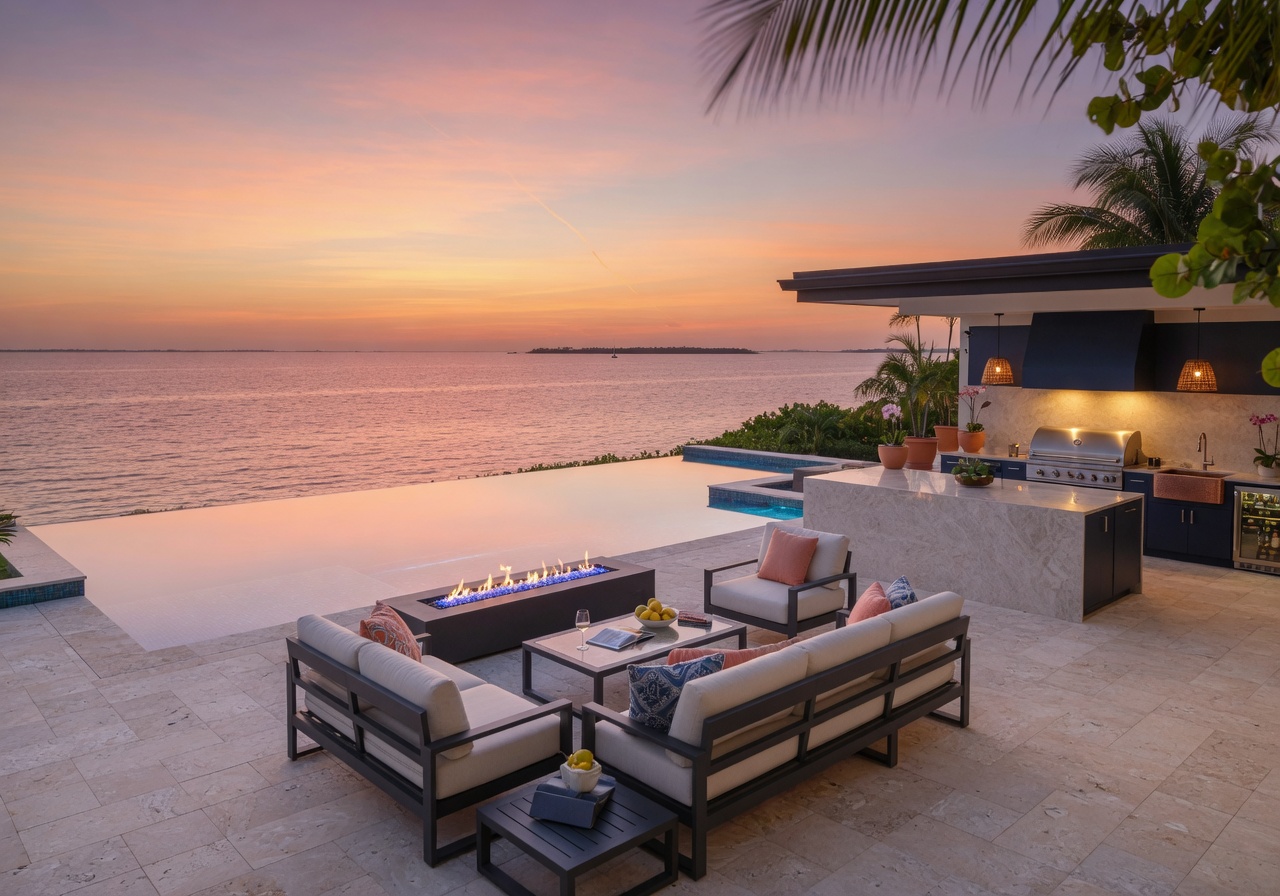
Why Paver Sealing Matters in Southwest Florida
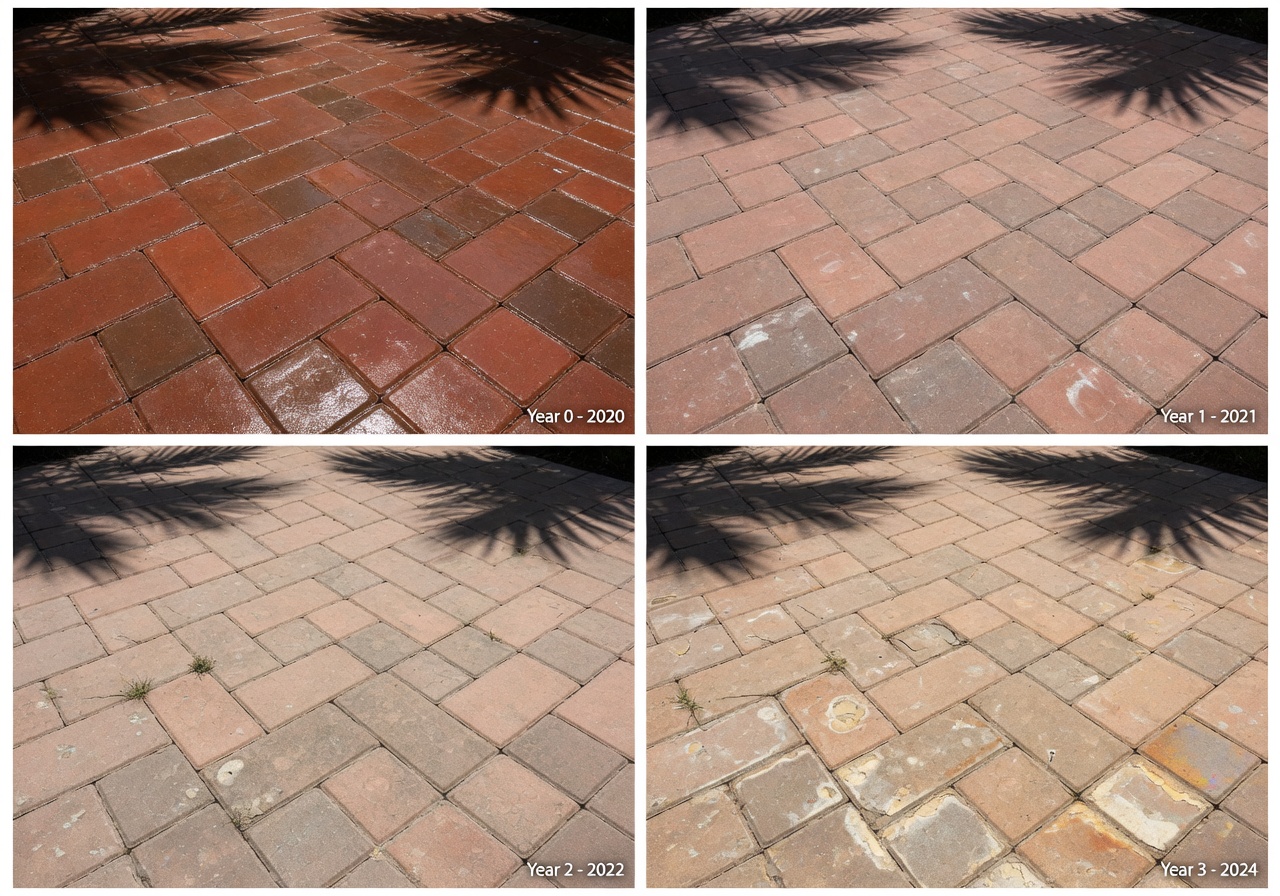
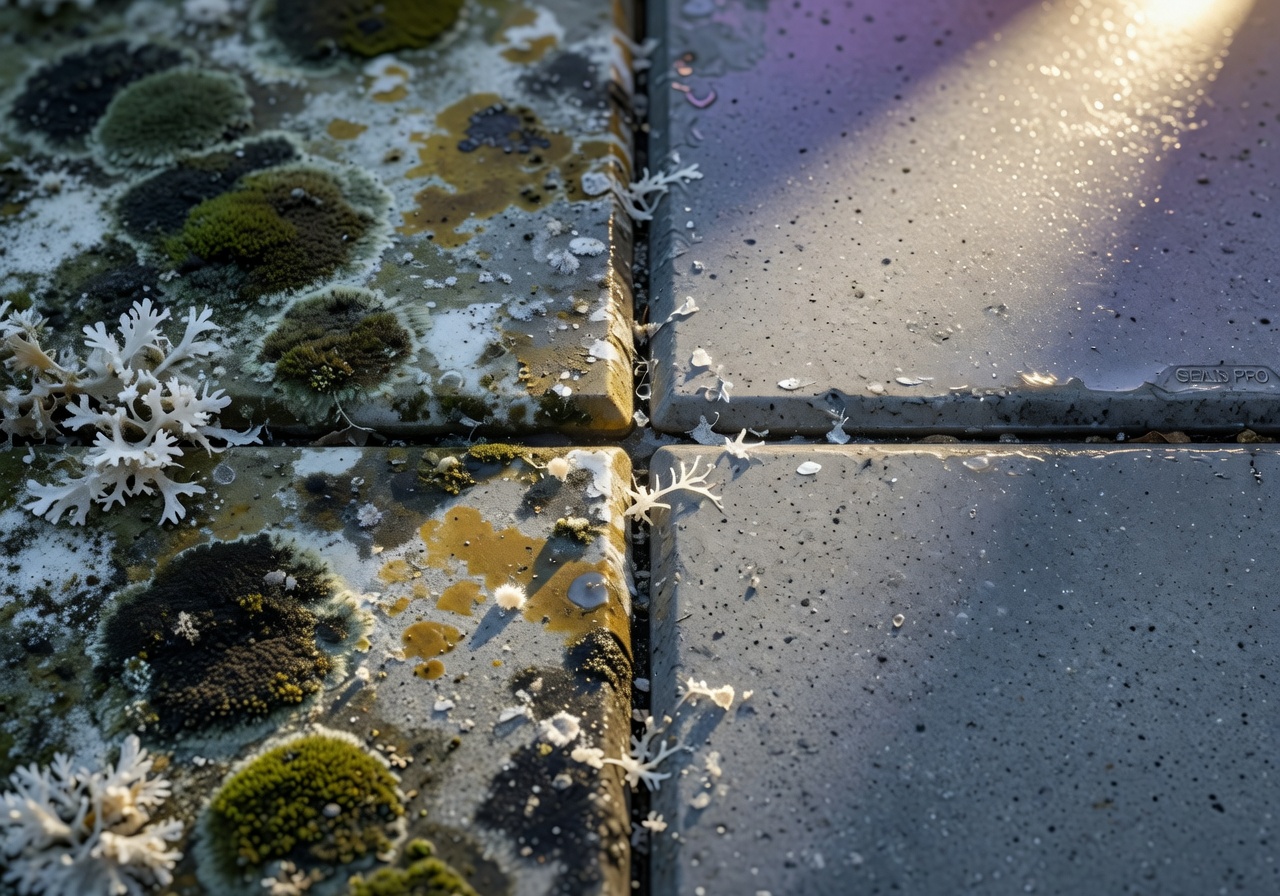
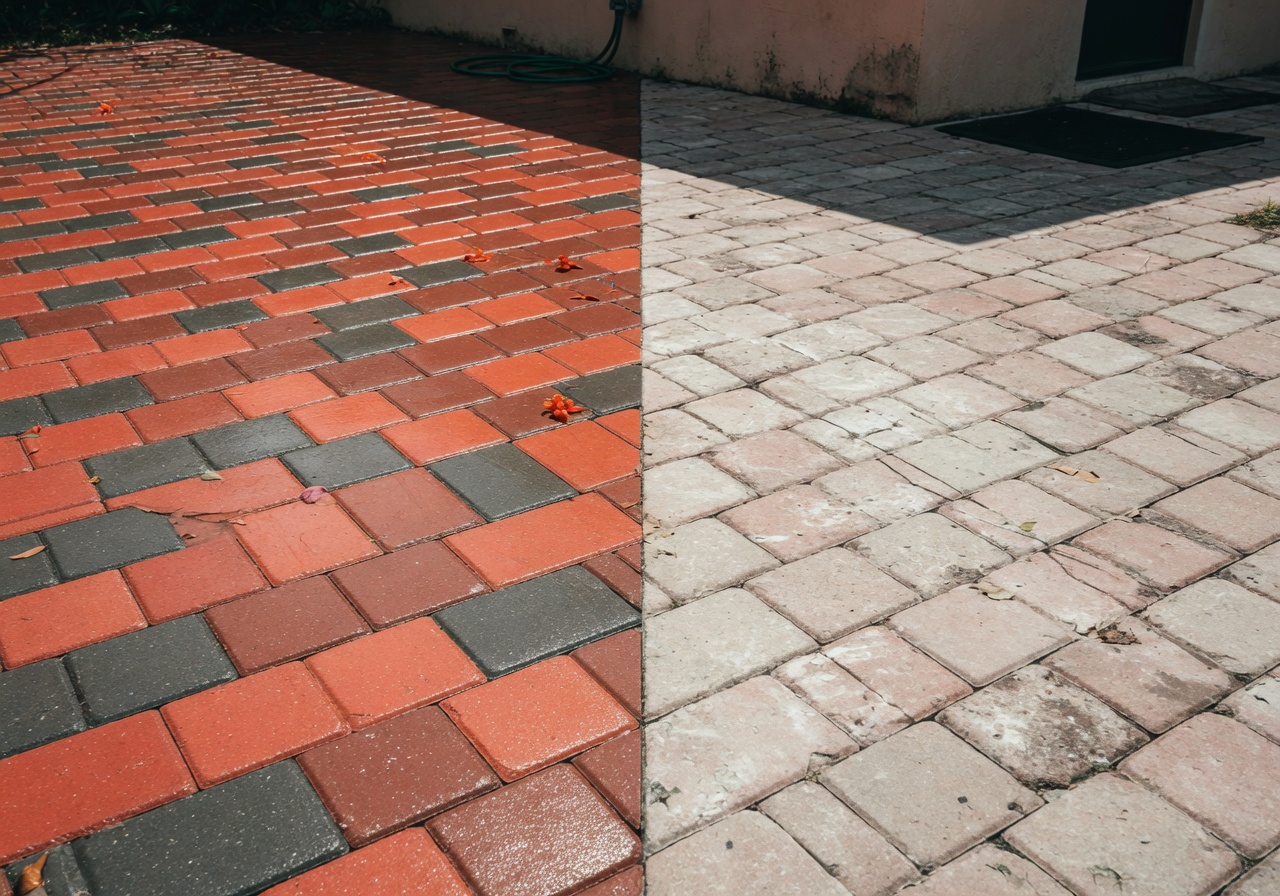
The intense Florida sun breaks down the binding agents in paver joint sand while UV rays cause fading and discoloration. Combined with afternoon thunderstorms and salt air near the coast, unsealed pavers can develop efflorescence, mold growth, and structural shifting within just 2-3 years.
Quality paver sealing creates a protective barrier that:
- Repels water and prevents staining
- Reduces fading from UV exposure
- Strengthens joint sand against washout
- Makes cleaning significantly easier
- Enhances the natural beauty of your pavers
Types of Paver Sealers: Product Comparison for SWFL
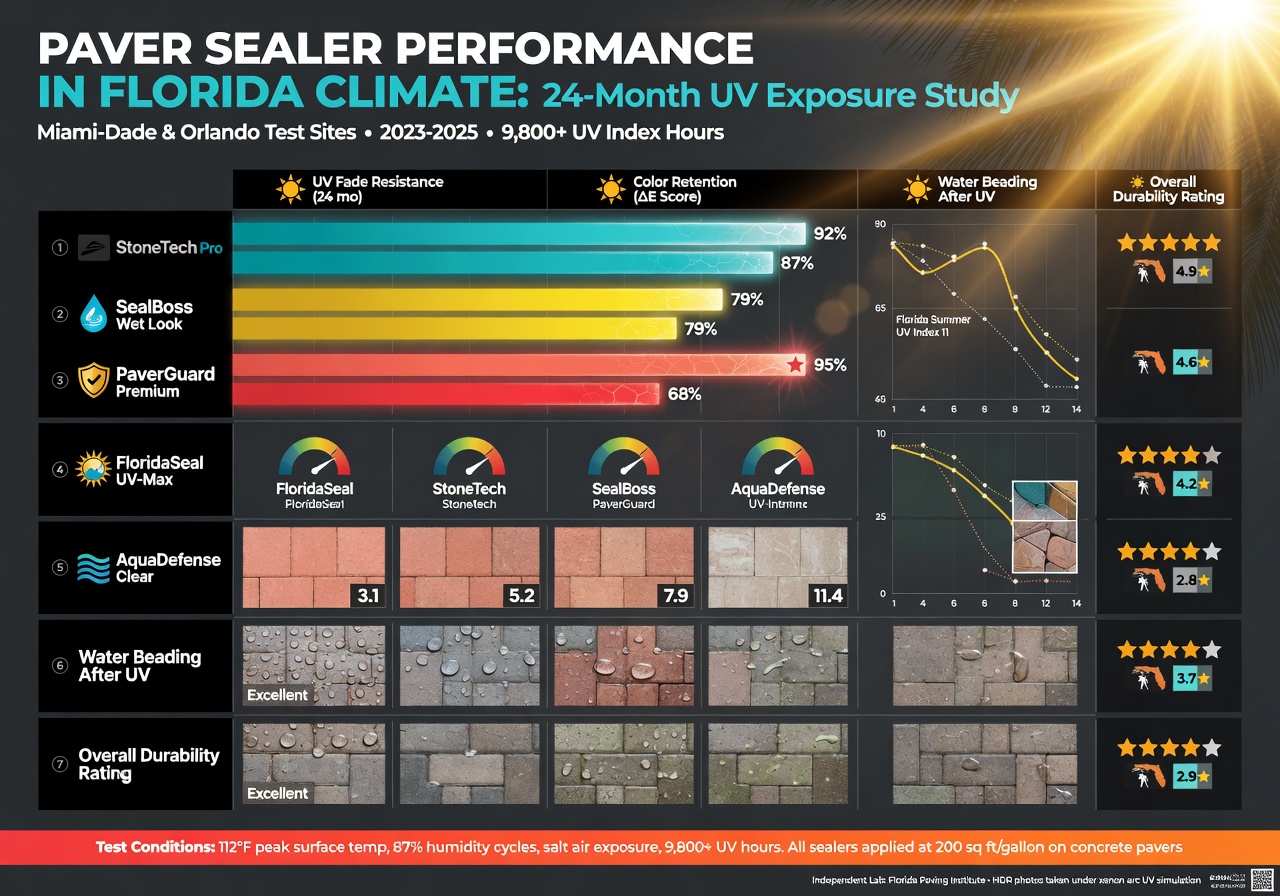
Not all sealers perform equally in our climate. Here’s a detailed comparison of the most effective options for Southwest Florida:
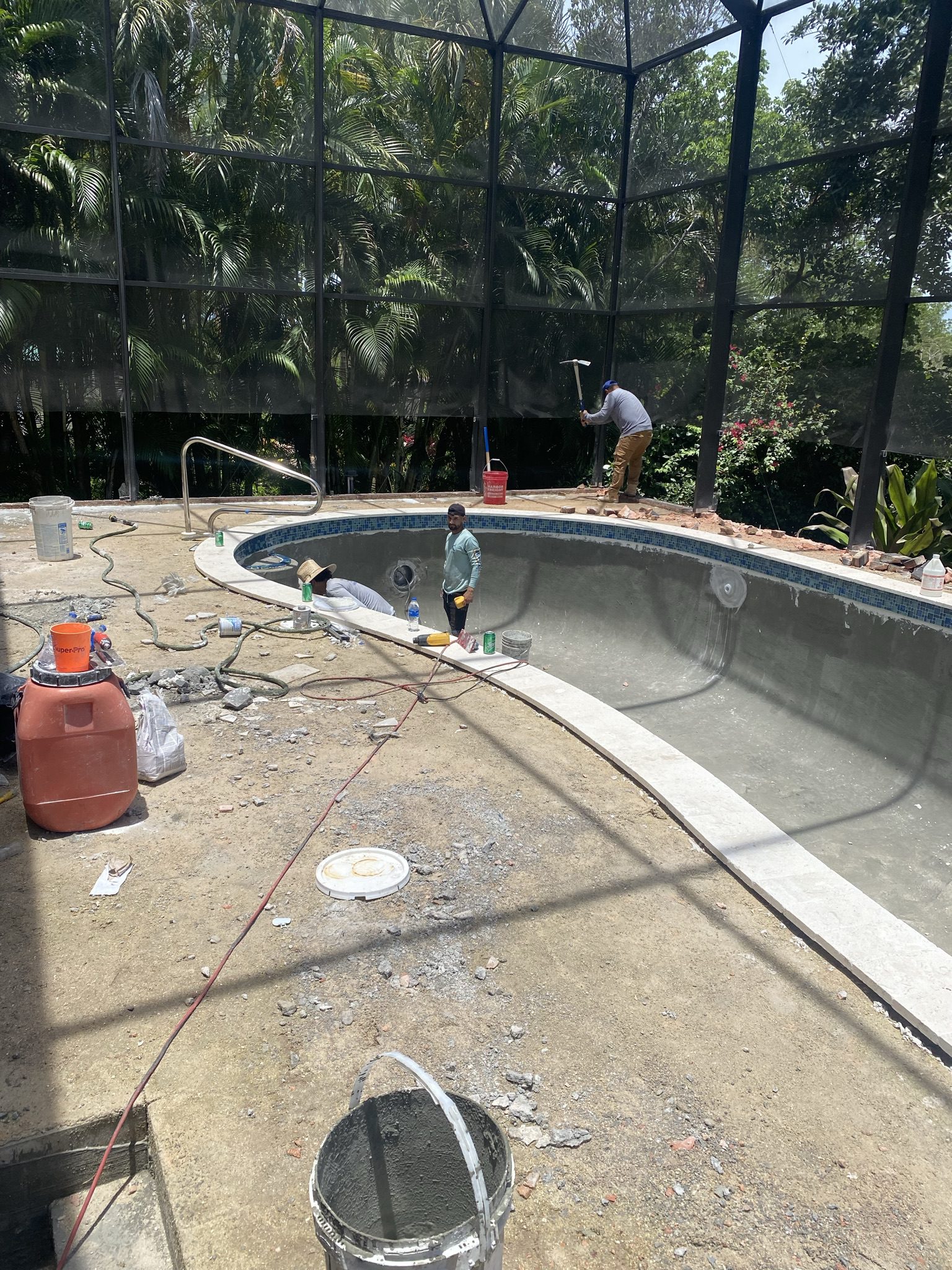
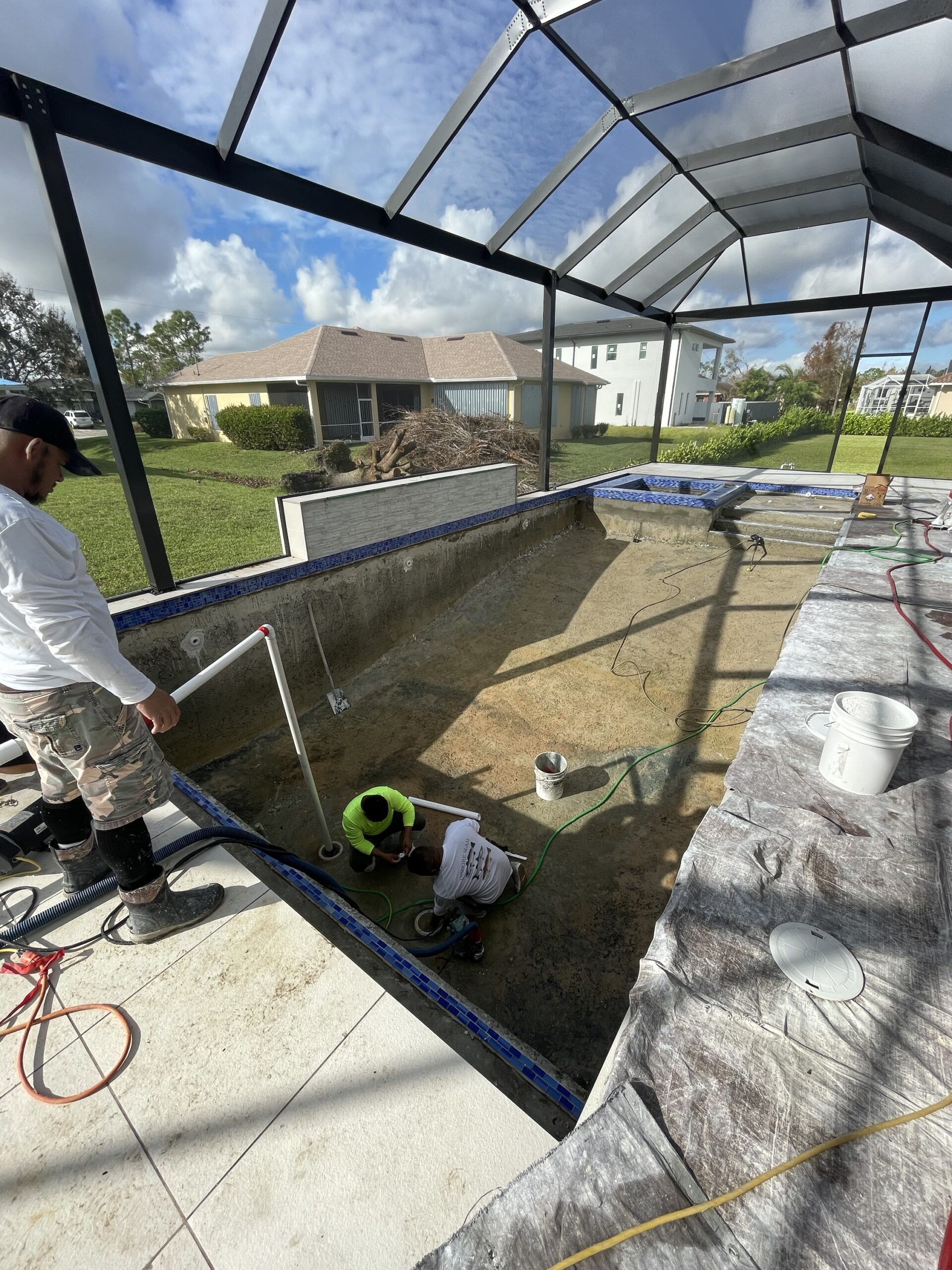
Image Grid 2




1. Solvent-Based Acrylic Sealers
Best overall choice for SWFL. These penetrating sealers offer superior UV resistance and create a strong protective layer. Top performers include:
- Foundation Armor AR350: Excellent water repellency, 3-5 year lifespan in Florida sun. Provides a subtle sheen.
- SealGreen Paver Sealer: Low VOC formula with outstanding joint stabilization. Ideal for pool decks.
2. Water-Based Acrylic Sealers
More environmentally friendly with easier cleanup. They typically offer 2-4 years of protection in our climate but provide a more natural look.
- Increte Incolor: Popular local choice that enhances color without excessive shine.
- Techniseal HP2: High-performance water-based option with good mold resistance.
3. Wet Look Sealers
These create a glossy, high-shine appearance that many homeowners love. However, they tend to have shorter lifespans (1.5-3 years) in intense SWFL sun and may require more frequent reapplication.
4. Joint Stabilizing Sealers
Ideal for paver driveways and high-traffic areas. These products penetrate the sand joints, binding them together while allowing for slight movement—crucial in Florida’s shifting soil conditions.
Professional Application Techniques
The difference between a good sealing job and an exceptional one often comes down to preparation and technique.
Step-by-Step Application Process
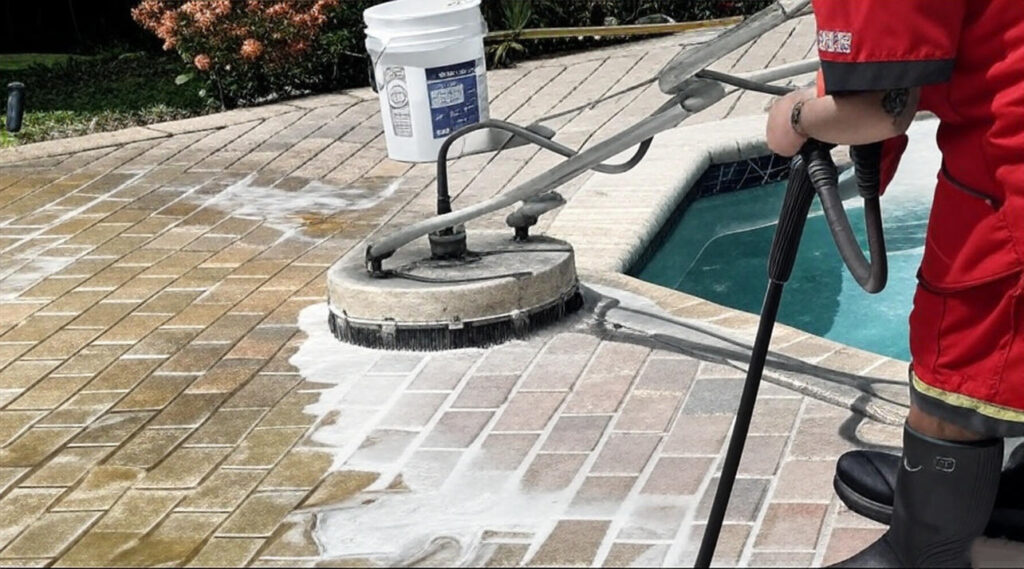
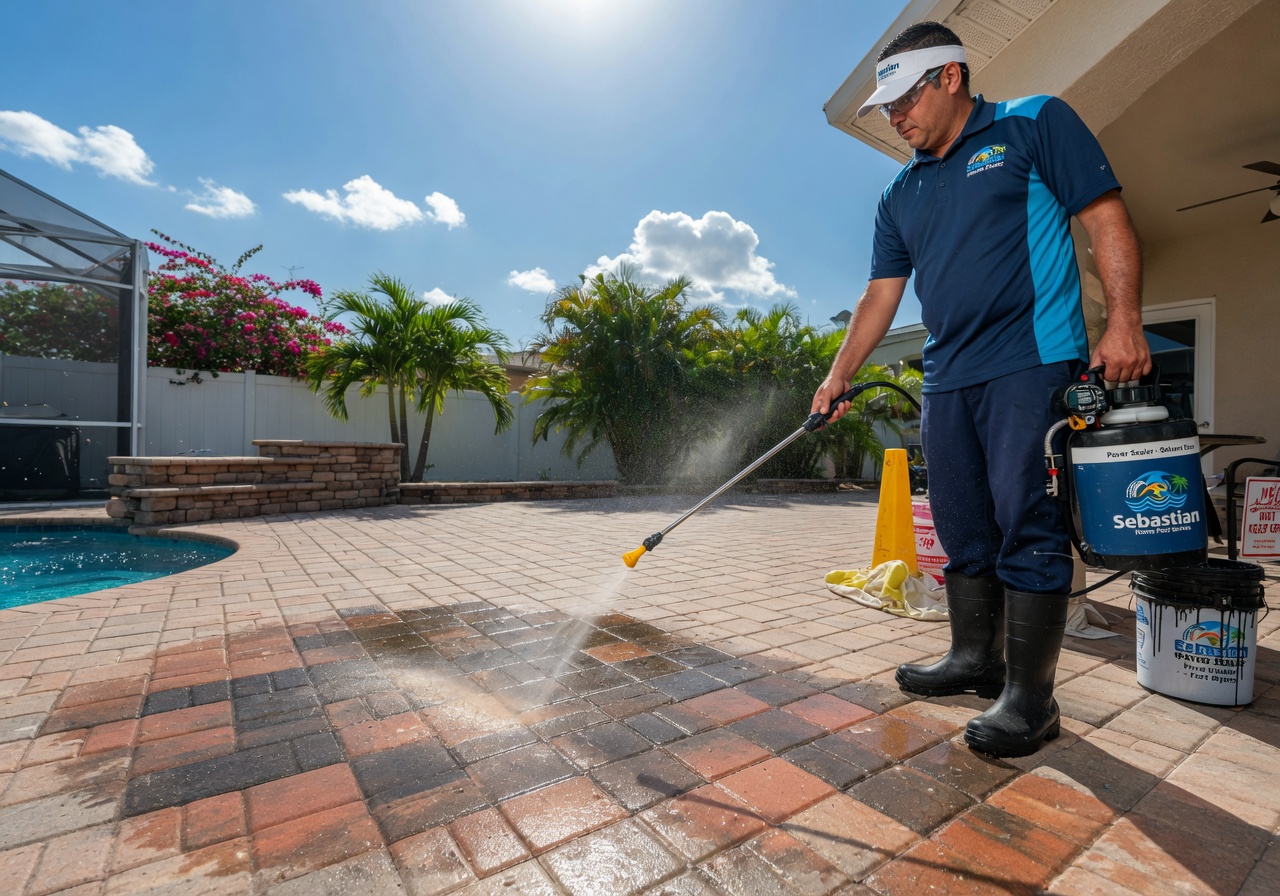
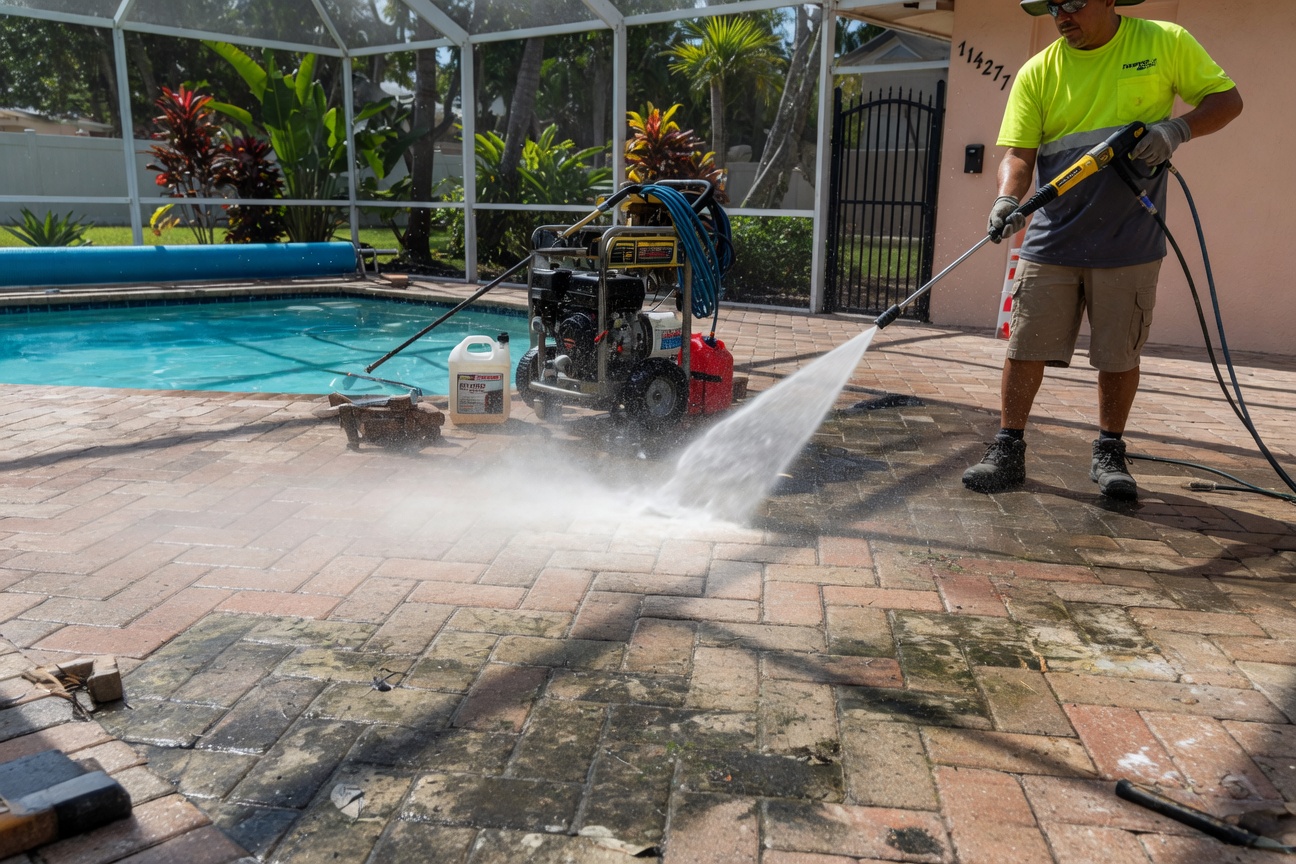
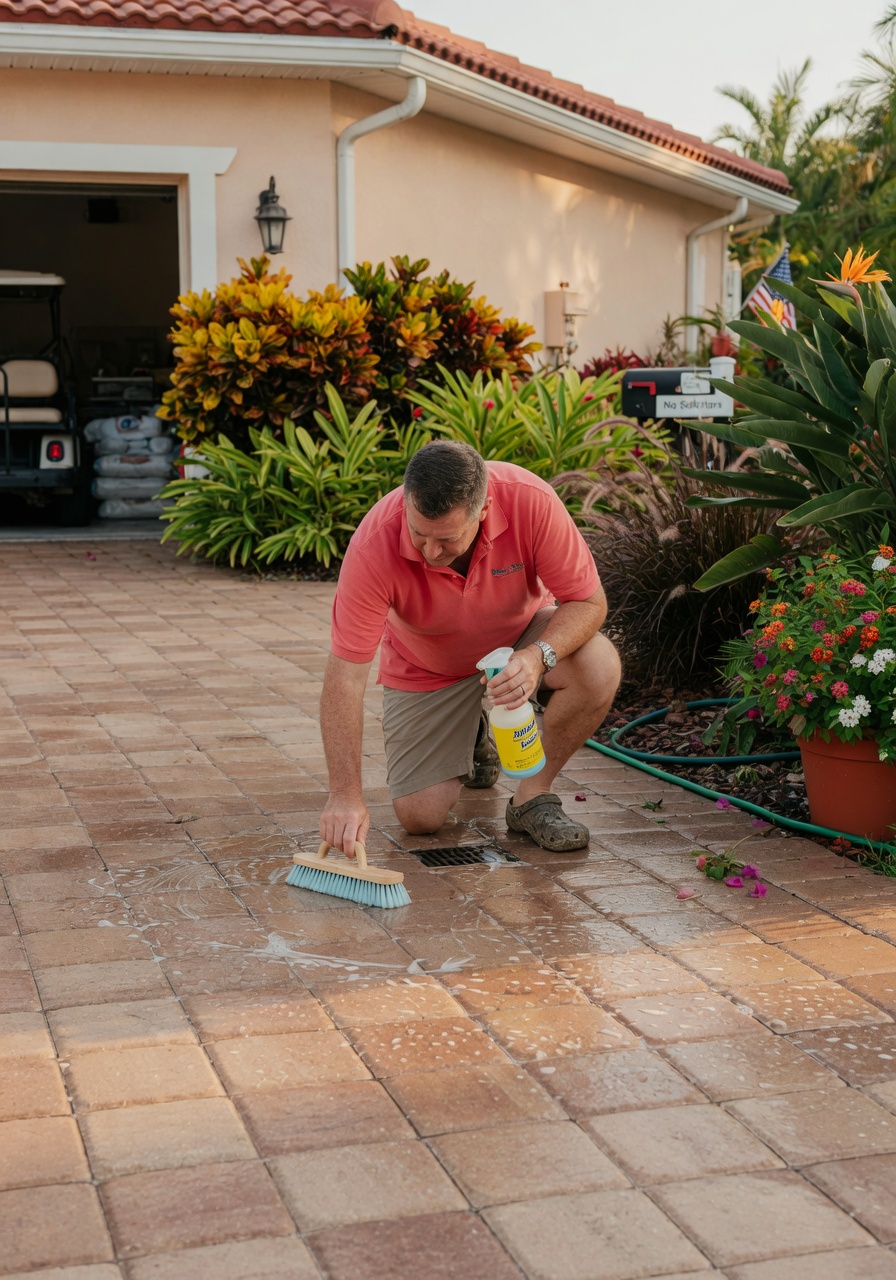
- Thorough Cleaning: Pressure wash at 2500-3000 PSI to remove dirt, mold, and old sealer residue. Allow 48 hours to completely dry.
- Efflorescence Treatment: Apply a specialized efflorescence remover if white deposits are present.
- Joint Sand Replenishment: Ensure proper polymeric sand is installed and activated before sealing.
- Test Patch: Always test the sealer on a small inconspicuous area first.
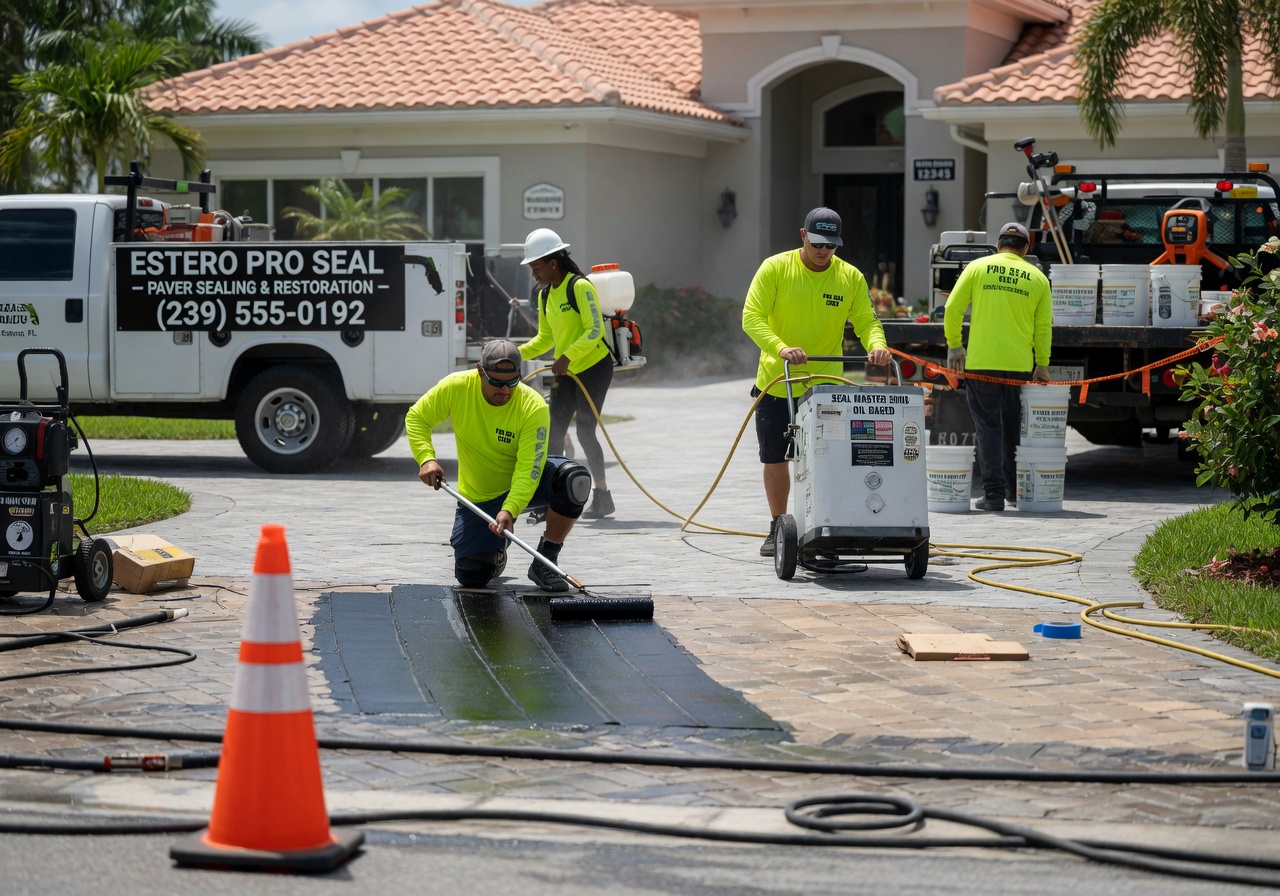
- Application Method: Use an industrial sprayer with a fan tip for even coverage. Apply two thin coats rather than one heavy coat.
- Drying Time: Protect from rain and foot traffic for a minimum of 24-48 hours depending on humidity.
Best Time of Year for Paver Sealing in SWFL
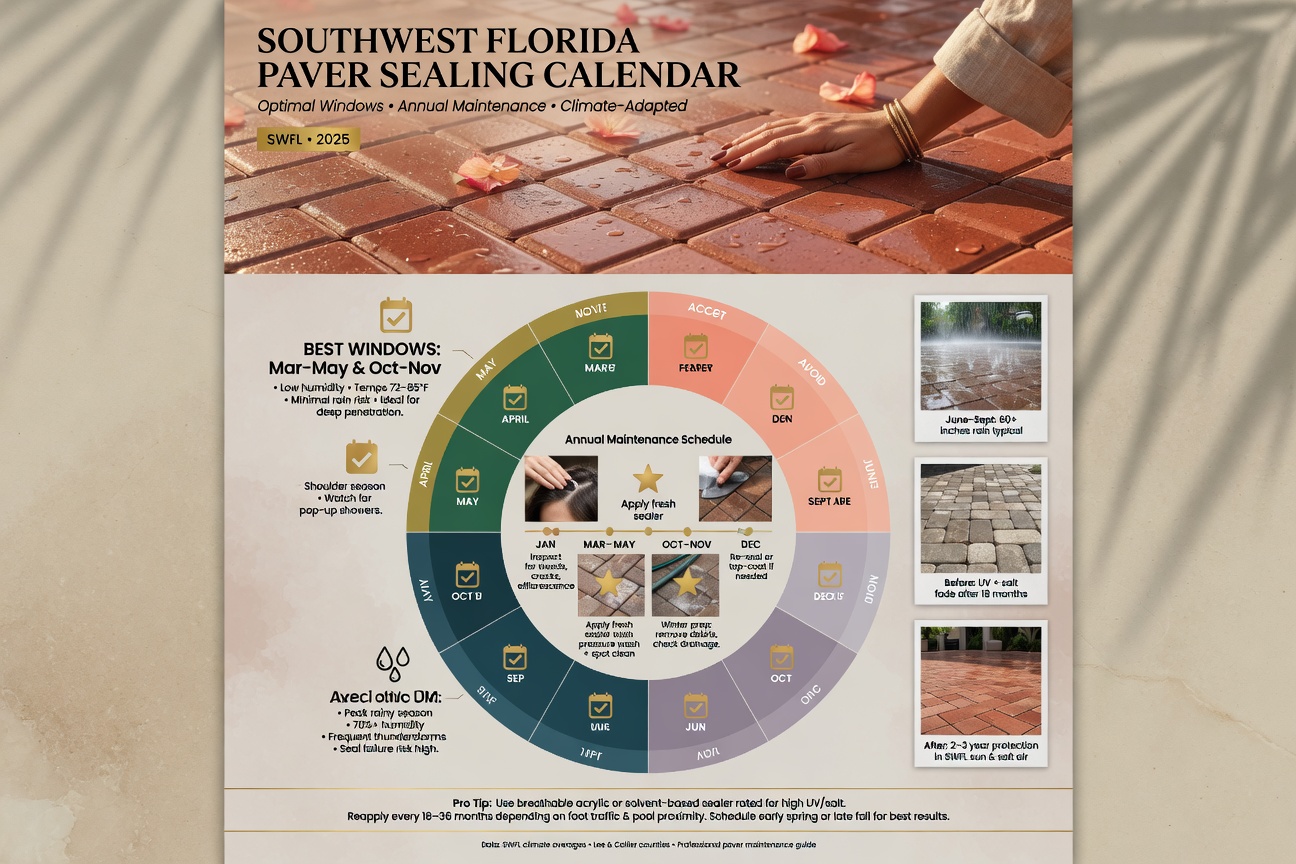
The optimal window is typically late February through early May, or October through mid-November. These periods offer lower humidity and more consistent dry weather patterns.
Maintenance Schedules for Maximum Longevity
Consistent maintenance dramatically increases sealer performance in our harsh climate.
Annual Maintenance Checklist
- Inspect for wear patterns, especially in high-traffic areas
- Pressure wash with appropriate detergent (avoid harsh chemicals)
- Reapply sealer every 2-4 years based on exposure and traffic
- Treat mold or mildew promptly with appropriate cleaners
- Check and replenish joint sand as needed
Longevity Data: What to Expect in Southwest Florida
Our team has tracked performance across hundreds of local properties. Here’s what the data shows:
- Solvent-based acrylics: 3-5 years before noticeable fading or wear
- Premium water-based: 2-4 years in full sun conditions
- Wet look sealers: 18-36 months before requiring touch-ups
- Joint stabilizing sealers: 4-6 years on properly prepared surfaces
Factors that reduce lifespan include:
- Direct western exposure (afternoon sun is most damaging)
- Pool deck areas with frequent chemical exposure
- Properties within 3 miles of the coast (salt air acceleration)
- Heavy foot or vehicle traffic
Common Mistakes to Avoid
Many SWFL homeowners and even some contractors make these critical errors:
- Sealing over damp pavers
- Applying too thick of a coat (causes whitening and peeling)
- Using interior sealers outdoors
- Skipping proper surface preparation
- Choosing appearance over protection
Professional vs. DIY Paver Sealing
While DIY sealing is possible, professional application offers significant advantages in Southwest Florida’s challenging environment. Professionals have access to commercial-grade products, specialized equipment, and the experience to achieve consistent results across large areas.
Protecting Your Investment
Quality paver sealing isn’t an expense—it’s an investment that preserves both the beauty and structural integrity of your hardscape. In Southwest Florida’s climate, well-maintained sealed pavers can last 25+ years, while neglected pavers may need replacement in less than 10.
At Sebastian Home Pool & Hardscape, we specialize in paver sealing SWFL and understand the unique challenges our climate presents. Our technicians use only the highest-performing products specifically formulated for Florida conditions.
Conclusion
Effective paver sealing in Southwest Florida requires knowledge of both product chemistry and our local environment. By choosing the right sealer, following proper application techniques, and maintaining a consistent schedule, you can dramatically extend the life and beauty of your pavers despite the intense Florida sun.
Don’t let the harsh SWFL climate prematurely age your beautiful paver surfaces. A professionally applied quality sealer is your first line of defense against fading, staining, and deterioration.
Ready to protect your pavers? Contact our team today for a free evaluation and customized sealing recommendation for your specific property conditions.